


The Last Judgment was one of the most profound ideas in ancient Egypt. It transformed death into a moral passage where truth, justice, memory and divine order decided the fate of the soul.
What Was the Last Judgment Day in Ancient Egypt?
For ancient Egyptians, life, death and religion formed one connected worldview. The soul did not simply vanish after death. It entered a sacred journey filled with tests, divine beings, protective texts and the ultimate judgment before Osiris.
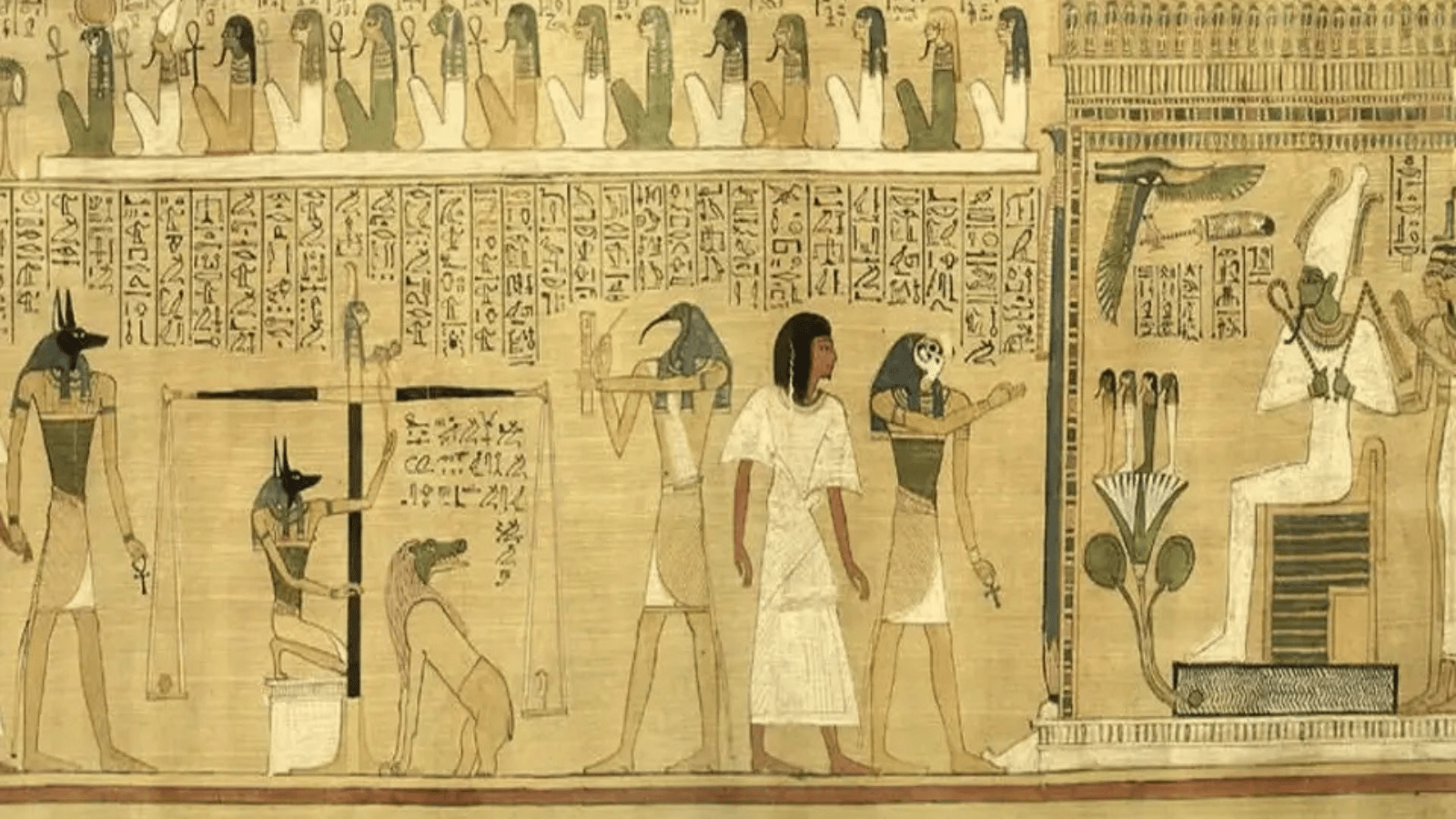
The judgment scene, often called the Weighing of the Heart, was the decisive moment. The heart of the deceased was weighed against the Feather of Ma’at, the symbol of truth, justice and cosmic order. If the heart was balanced, the soul could enter the blessed afterlife. If not, the person was denied eternal continuation.
The article you shared explains the Hall of Judgment, Osiris, Thoth, Ammit, the Book of the Dead, the Field of Reeds and the importance of moral living in ancient Egypt. This rebuilt Vagus version turns the topic into a refined cultural travel guide with premium design, English internal links and stronger visitor flow.
Quick Answer
The Last Judgment in ancient Egypt was the divine evaluation of the deceased soul. The heart was weighed against the Feather of Ma’at to decide whether the person could enter the Field of Reeds and continue in eternal peace.
The Afterlife in Ancient Egypt
Ancient Egyptians believed the afterlife was a continuation of existence, not a simple ending. The ideal destination was the Field of Reeds, a peaceful paradise that reflected the beauty and order of life on earth.
But entry into this afterlife was not automatic. A person had to live according to Ma’at, the principle of truth, justice, balance and cosmic order. The judgment process made morality central to the destiny of the soul.
Immortal Soul
The soul was expected to continue beyond death if it passed the divine judgment.
Moral Accountability
Actions in life had consequences beyond the physical world.
Field of Reeds
The blessed afterlife was imagined as a peaceful, fertile world of harmony.
The Heart Before the Feather
The heart was believed to hold the moral truth of a life. In the Hall of Judgment, it was weighed not against gold or power, but against Ma’at.
The Process of the Last Judgment
The Last Judgment was imagined as a divine court. Osiris presided as judge, Thoth recorded the outcome, and the fate of the soul depended on whether the heart proved light and truthful before Ma’at.
The Weighing of the Heart
The heart of the deceased was placed on a scale and balanced against the Feather of Ma’at. A balanced heart meant the person had lived truthfully and justly.
Thoth Records the Verdict
Thoth, god of wisdom and writing, recorded the result. His role showed that nothing was hidden from divine knowledge.
Ammit Awaits the Unworthy
Ammit represented the final consequence of failed judgment. If the heart was heavier than Ma’at, the soul lost the hope of eternal life.
Osiris Grants Eternal Peace
If the deceased passed the test, Osiris allowed the soul to enter the Field of Reeds and continue in harmony.
The Divine Figures of Judgment
Judgment scenes brought together some of Egypt’s most powerful divine figures. Each had a role in the moral and spiritual passage of the soul.
| Divine figure | Role in judgment | Meaning for travelers |
|---|---|---|
| Osiris | Judge of the dead and god of resurrection. | Represents death, rebirth and the authority of the afterlife. |
| Ma’at | Truth, justice, balance and cosmic order. | Explains why morality was central to Egyptian religion. |
| Thoth | Divine scribe who recorded the judgment. | Connects writing, wisdom and divine accountability. |
| Anubis | Guardian of mummification and guide of the dead. | Appears in many funerary scenes connected with the scales. |
| Ammit | Devourer associated with failed judgment. | Shows the seriousness of moral failure in afterlife belief. |
The Book of the Dead: Spells, Prayers and Protection
The Book of the Dead was not one single fixed book. It was a collection of funerary texts, spells and prayers designed to guide the deceased through the dangers of the afterlife and help them pass the judgment.
These texts were placed in tombs, written on papyrus or included in funerary contexts. They helped the deceased speak correctly, call upon divine protection and face the judgment with spiritual preparation.
Why It Matters
The Book of the Dead reveals that ancient Egyptians saw the afterlife as a journey requiring knowledge, moral truth, ritual support and divine guidance.
From Tomb Art to Living Belief
When you understand the Last Judgment, tomb paintings in Luxor become more than decoration. They become visual theology — a painted map of hope, justice and eternal life.
The Importance of Moral Living
The Last Judgment shows that ancient Egyptian religion was not only ritual. It was ethical. A person’s conduct mattered. Ma’at applied to rulers, priests and ordinary people alike.
To live well was to live in balance with truth, justice and order. The weighing of the heart dramatized this belief: every action, word and intention could carry weight beyond death.
Truth
Ma’at required honesty and alignment with divine order.
Justice
Fairness and proper conduct shaped the fate of the soul.
Cosmic Order
Human behavior was part of the balance of the universe.
Where Travelers Can Explore Ancient Egyptian Afterlife Beliefs
The Last Judgment is best understood through tombs, temples, museums and expert interpretation. A private guide can help connect symbols, gods, funerary texts and tomb scenes into one clear story.
Luxor and the Valley of the Kings
Explore royal tombs, funerary scenes and the world of the New Kingdom afterlife.
Explore Luxor Day Tours →Cairo Museum Experiences
Discover funerary objects, coffins, papyri and afterlife symbolism through guided museum visits.
Explore Cairo Day Tours →Egypt Tour Packages
Combine Cairo, Giza, Luxor, Aswan and the Nile into a complete cultural journey.
Explore Egypt Tour Packages →Tailor-Made Afterlife Route
Create a private itinerary focused on tombs, temples, the Book of the Dead and sacred beliefs.
Plan a Tailor-Made Tour →Why This Topic Fits a Private Egypt Journey
The Last Judgment is one of the best examples of why Egypt rewards interpretation. Without context, a scale, a feather or a jackal-headed god may look like mysterious art. With expert guiding, each symbol becomes part of a complete vision of life, death, morality and eternity.
Vagus Travel Co. can shape a private journey around this depth: Luxor for tombs, Cairo for museum collections, Giza for royal monuments and VIP access options for travelers who want a more elevated encounter with ancient Egyptian belief.
Vagus Travel Perspective
Luxury travel in Egypt is not only comfort. It is the ability to see meaning where others only see monuments.
Useful English Vagus Links for Planning This Journey
All internal links in this article use the English version of Vagus Travel Co.