


Papyrus was one of ancient Egypt’s quiet masterpieces. It was not a pyramid, a temple or a golden mask — but without it, much of Egypt’s knowledge, religion, administration and cultural memory might never have survived.
Why Papyrus Matters in the Story of Ancient Egypt
When travelers think of ancient Egypt, they often imagine the top attractions: the pyramids, the Sphinx, the temples of Luxor, royal tombs and museum treasures. Yet behind these monuments stood another kind of achievement: the ability to record ideas and preserve them.
Papyrus made that possible. Created from the papyrus plant that grew along the Nile, it became the main writing material of ancient Egypt and one of the most influential inventions in the history of communication.
The original article explains that papyrus was made from the Cyperus papyrus plant, used for religious texts, legal records, administration and literature, and later spread beyond Egypt into the Mediterranean world. This rebuilt version expands that idea into a refined Vagus-style travel guide with clearer structure, stronger search intent, internal links and a more premium cultural tone.
Quick Answer
Papyrus was significant because it allowed ancient Egyptians to record religion, law, government, literature, science, personal communication and cultural memory on a portable writing surface made from a Nile plant.
What Is Papyrus?
Papyrus is both a plant and the writing material made from that plant. The papyrus plant, known scientifically as Cyperus papyrus, grew in wet areas of the Nile Delta and along riverbanks. Its tall stalks were transformed into sheets that could hold ink, be rolled into scrolls and transported across Egypt.
Unlike stone inscriptions carved into temple walls, papyrus was portable. It could be carried by scribes, stored in archives, sent as correspondence and copied for religious or administrative use. That portability made papyrus one of the foundations of ancient Egyptian literacy.
| Feature | Meaning | Why it mattered |
|---|---|---|
| Plant origin | Made from Cyperus papyrus grown around the Nile. | Connected writing directly to the river that sustained Egyptian life. |
| Portable surface | Sheets and scrolls could be moved, stored and copied. | Allowed communication across temples, cities and government offices. |
| Ink-friendly texture | Polished sheets could receive ink from reed pens. | Supported writing, drawing, accounting and religious manuscripts. |
| Cultural durability | Many papyrus texts survived in dry Egyptian conditions. | Preserved priceless insight into ancient Egyptian society. |
How Was Papyrus Made?
The making of papyrus was a refined craft. Ancient workers transformed a natural plant into a smooth writing surface through cutting, layering, pressing and drying. The process was practical, but it also reflects Egypt’s deep understanding of materials and environmental resources.
1. Harvesting the Plant
Papyrus stalks were cut from marshy Nile environments, especially where the plant grew thick and tall.
2. Slicing the Inner Pith
The outer rind was removed, and the soft inner pith was cut into thin strips.
3. Layering the Strips
Strips were arranged in horizontal and vertical layers to create a strong writing surface.
4. Pressing and Drying
The layers were pressed together and dried, allowing natural plant juices to help bind the sheet.
5. Polishing the Sheet
The surface was smoothed so scribes could write with reed pens and ink.
Travel Insight
For modern visitors, watching papyrus demonstrations in Egypt can make the ancient world feel surprisingly tangible: a plant becomes a page, and a page becomes history.
What Was Papyrus Used For in Ancient Egypt?
Papyrus was essential to both everyday administration and sacred tradition. It supported the practical needs of a state and the spiritual needs of a civilization that believed deeply in the afterlife.
Religious Texts
Priests and scribes copied prayers, rituals, hymns and funerary texts on papyrus scrolls.
Legal Documents
Contracts, agreements, inheritance matters and legal records could be documented on papyrus.
Administration
Taxes, harvests, labor lists, temple records and royal orders required reliable written records.
Letters
Personal and official correspondence helped connect people, offices and regions.
Knowledge
Medical, mathematical and scientific notes could be copied, taught and preserved.
Literature
Stories, wisdom texts and poetry show the creative and intellectual side of Egypt.
Papyrus and the Afterlife: From Sacred Scrolls to the Book of the Dead
One of the most powerful uses of papyrus was religious. Ancient Egyptians used papyrus scrolls to record funerary texts, spells and instructions designed to help the deceased pass safely into the afterlife.
The Book of the Dead is one of the most famous examples. Rather than being a single fixed book, it was a collection of spells and passages that could be copied onto papyrus and placed with the dead. These texts helped express hopes for judgment, protection and eternal life.
Why Religious Papyrus Matters
Religious papyri reveal how Egyptians imagined death, divine judgment, rebirth and the soul’s journey. They transform tomb visits from sightseeing into a deeper encounter with belief.
When travelers explore tombs in Luxor or see funerary objects in Cairo museums, papyrus helps explain the ideas behind the art.
What It Helps Travelers Understand
- Why the afterlife was central to Egyptian culture.
- How scribes and priests preserved sacred language.
- Why tomb walls and papyrus scrolls often shared similar themes.
- How writing became part of spiritual protection.
Papyrus and the Power of Scribes
Papyrus also explains why scribes were so important. In a world where literacy was limited, the ability to write on papyrus created authority. Scribes could manage taxes, record royal decisions, copy religious texts and preserve knowledge.
For the ancient Egyptian state, writing was not decoration. It was infrastructure. It made government possible, temples organized and history recoverable.
| Who used papyrus? | What they recorded | Historical value today |
|---|---|---|
| Royal officials | Decrees, reports, supplies and diplomatic messages. | Shows how the state was organized. |
| Temple scribes | Ritual texts, offerings, accounts and priestly administration. | Reveals temple economy and religious practice. |
| Legal scribes | Contracts, disputes, property and inheritance records. | Shows everyday rights, duties and social life. |
| Students and teachers | Exercises, copies, wisdom literature and training texts. | Helps us understand education and literacy. |
How Papyrus Spread Beyond Egypt
Papyrus did not remain only an Egyptian material. Through trade, diplomacy and Mediterranean exchange, it became a writing surface used by Greek, Roman and later communities around the ancient world.
This is why papyrus is not only part of Egyptian history; it belongs to the broader history of literature, scholarship, record-keeping and administration across the Mediterranean.
Why It Reached the World
Egypt had the plant, the craft and the export network. As Egyptian papyrus moved across the Mediterranean, it carried not only goods but also the possibility of written culture on a wider scale.
Why Did Papyrus Decline?
Over time, papyrus gradually declined as other writing materials became more common. Parchment and vellum, made from prepared animal skin, offered durability and flexibility in different climates and book formats.
Political and economic shifts also affected papyrus production and distribution. Yet its legacy did not disappear. Surviving papyri continue to shape modern understanding of ancient law, religion, medicine, literature, daily life and government.
| Reason for decline | Impact |
|---|---|
| Rise of parchment | Other materials became more practical for codices and long-term use. |
| Changing political control | Production and distribution networks shifted over time. |
| Changing writing formats | Scroll culture gradually gave way to book-like formats. |
| Environmental limitations | Papyrus survived best in dry climates, making preservation uneven outside Egypt. |
Papyrus Today: A Cultural Souvenir With a Deeper Story
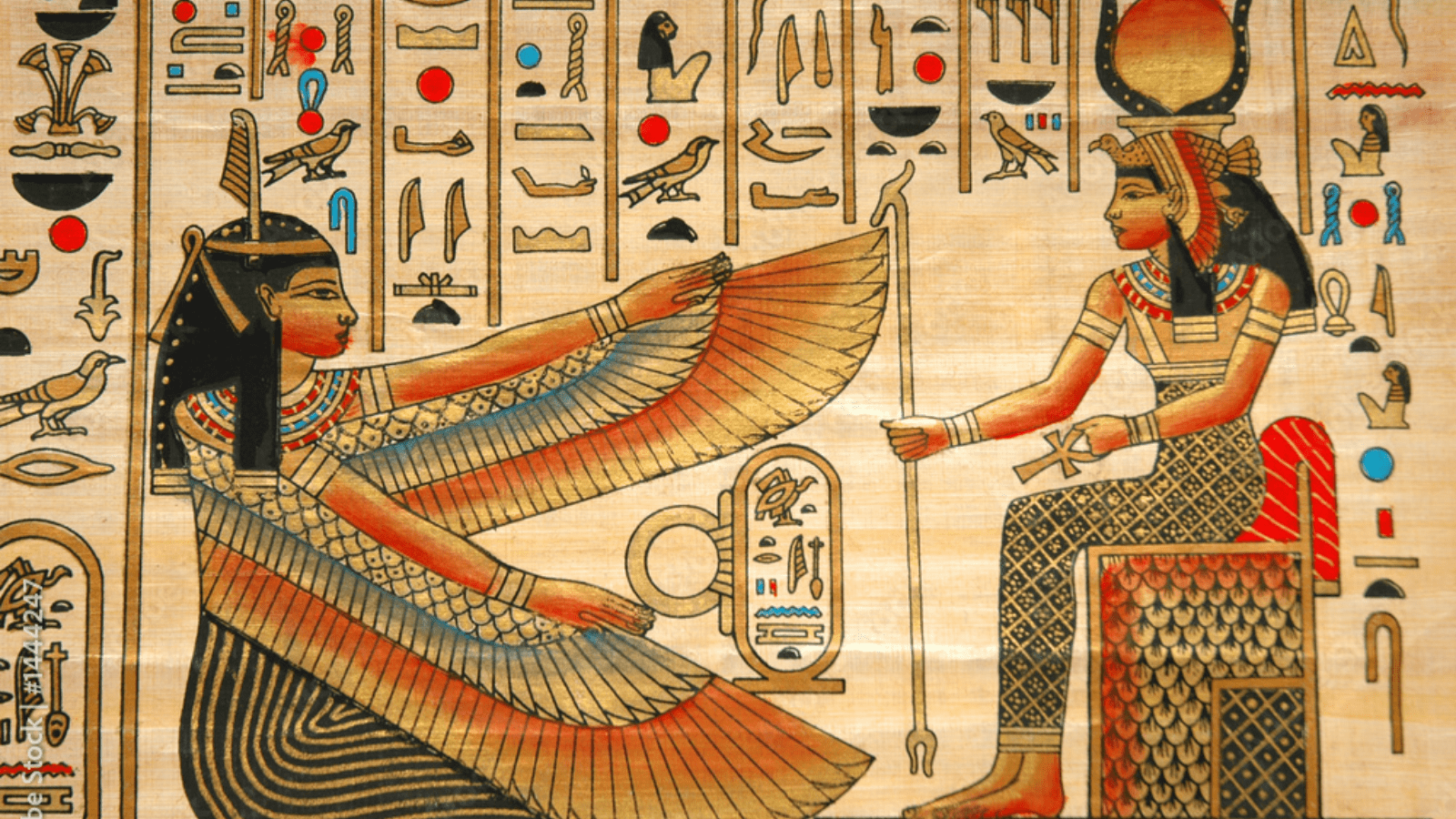
Today, papyrus is no longer an everyday writing material, but it remains one of Egypt’s most recognizable cultural crafts. Many travelers buy papyrus paintings showing gods, pharaohs, temples, hieroglyphs or scenes from the afterlife.
For a luxury traveler, papyrus can be more than a souvenir. It can be a meaningful object when understood correctly: a reminder of the Nile, ancient writing, sacred imagery and Egypt’s role in preserving knowledge.
Handmade Craft
Modern papyrus workshops keep the ancient process visible for travelers.
Symbolic Art
Popular scenes include gods, queens, pharaohs, judgment scenes and temple motifs.
Elegant Souvenir
A well-made papyrus scroll can be a tasteful reminder of a private Egypt journey.
Where Can Travelers Experience Papyrus Heritage in Egypt?
The story of papyrus is best understood through museums, temples, tombs and guided interpretation. A private guide can connect papyrus with scribes, hieroglyphs, funerary beliefs, daily administration and the Nile landscape.
Cairo Museum Experiences
Museum visits help travelers understand ancient writing, funerary texts, scribal culture and royal records.
Explore Daily Excursions →Giza and the Grand Egyptian Museum
Pair ancient monuments with museum context for a deeper understanding of Egyptian civilization.
Explore Top Attractions →Luxor Temples and Tombs
Temple inscriptions and tomb scenes show how sacred writing shaped ancient Egyptian belief.
Explore Top Cities →Tailor-Made Cultural Tours
Create a private route focused on ancient writing, museums, temples, tombs and premium guiding.
Plan a Tailor-Made Tour →Why Papyrus Adds Depth to an Egypt Journey
Understanding papyrus changes the way you travel through Egypt. A temple inscription becomes part of a writing culture. A museum scroll becomes a voice from the past. A tomb scene becomes a carefully preserved religious message.
With Vagus Travel Co., this kind of detail can be built into a private itinerary. Instead of moving quickly from one landmark to the next, travelers can experience Egypt as a layered story: architecture, river, writing, ritual, art and memory.
Vagus Travel Perspective
Luxury travel is not only about comfort. It is about access, interpretation and depth. Papyrus is one of the details that turns an Egypt tour from a sequence of sites into a connected cultural experience.
Useful Vagus Links for Planning a Cultural Egypt Journey
Use these internal links to connect this article with stronger travel intent across the Vagus website.