


Stone was ancient Egypt’s language of eternity. It carried royal ambition, divine symbolism, funerary belief and the technical brilliance of a civilization determined to leave monuments that time could not easily erase.
Why Stones Were Essential to Ancient Egypt
Ancient Egypt is often remembered through stone: the pyramids of Giza, the Sphinx, temple pylons, obelisks, statues, sarcophagi and carved reliefs. Yet stone was more than a construction material. It was a medium of permanence, sacred power and cultural memory.
The Egyptians chose stone because it endured. Mudbrick could build towns, but stone was reserved for what needed to outlast generations: temples for gods, tombs for kings, monuments of victory and statues that preserved the presence of rulers and deities.
The source article you provided explains the role of limestone, granite, sandstone, alabaster and basalt, as well as the symbolic and afterlife meanings of stone in ancient Egypt. This rebuilt Vagus version expands that foundation into a refined cultural travel guide with visual sections, icon-led cards, stronger internal links and a premium private-tour angle.
Quick Answer
Stones were important in ancient Egypt because they represented permanence, divine power and eternity. Egyptians used them to build pyramids, temples, tombs, obelisks, statues and sacred objects that were meant to endure beyond human life.
The Role of Stone in Egyptian Civilization
In a civilization deeply concerned with immortality, stone was the perfect material. It resisted decay, held inscriptions, preserved images and created spaces where kings and gods could remain present long after death.
Stone architecture also expressed state power. Quarrying, transporting and carving massive stones required organization, skilled labor, engineering knowledge and royal authority. A pyramid or temple was therefore not only a building; it was proof that Egypt could mobilize people, materials and belief on a monumental scale.
Monumental Architecture
Pyramids, temples and obelisks used stone to express royal power and divine permanence.
Afterlife Protection
Stone tombs, sarcophagi and reliefs protected the dead and supported the journey into eternity.
Divine Presence
Statues of gods and pharaohs made sacred presence visible and durable.
Permanent Text
Hieroglyphs carved into stone preserved prayers, names, offerings and royal declarations.
State Organization
Stone projects reveal planning, quarrying, transport routes and skilled craftsmanship.
Travel Meaning
Understanding stone helps travelers read Egypt’s monuments as cultural messages, not just ruins.
From Quarry to Sacred Monument
Every stone monument began as a raw block in the landscape. Through quarrying, transport, carving and ritual meaning, it became part of Egypt’s sacred architecture.
Types of Stones Used in Ancient Egypt
Ancient Egyptian builders and artists used different stones for different purposes. Each material had its own texture, color, symbolic value and technical challenge.
Limestone: The Building Block of Egypt
Limestone was abundant, workable and widely used for pyramids, temples, tombs, reliefs and statues. The Great Pyramid of Giza was originally covered in smooth limestone casing stones.
Travel connection: Giza and many Old Kingdom monuments reveal how limestone shaped Egypt’s most famous architecture.
Granite: Stone of Kings and Gods
Granite was harder, heavier and more prestigious than limestone. Egyptians used it for obelisks, royal statues, temple elements and sarcophagi meant to last for eternity.
Travel connection: Aswan’s granite quarries and Egypt’s obelisks show the scale of royal engineering.
Sandstone: Sacred and Versatile
Sandstone became especially important for temple construction and relief carving. Its warm tones and workable surface made it ideal for sacred scenes and monumental architecture.
Travel connection: Karnak, Luxor and many southern temples help travelers see sandstone as a religious medium.
Alabaster: Light, Purity and Luxury
Alabaster was prized for its pale, translucent beauty. It was used for vessels, bowls, perfume containers, ritual objects and refined funerary items.
Travel connection: Museum collections often reveal alabaster’s intimate, luxury side compared with monumental stone.
Basalt: Strength and Durability
Basalt is a hard volcanic stone used for statues, stelae, pavements and functional objects such as grinding stones. Its dark surface gave it a strong visual presence.
Travel connection: Basalt objects show how Egyptians used stone for both sacred display and practical life.
Precious and Colored Stones
Beyond building stones, Egyptians also used semi-precious stones and minerals in jewelry, amulets and royal objects to express protection, beauty and divine symbolism.
Travel connection: Museum visits reveal the smaller, more intimate side of Egyptian stone craftsmanship.
Ancient Egyptian Stones at a Glance
| Stone | Main uses | Symbolic or cultural meaning | Where travelers notice it |
|---|---|---|---|
| Limestone | Pyramids, casing stones, tombs, reliefs and sculpture. | Monumentality, brightness and architectural scale. | Giza, Saqqara and Old Kingdom monuments. |
| Granite | Obelisks, sarcophagi, statues and temple elements. | Power, endurance, kingship and divine permanence. | Aswan, obelisks, royal statues and temples. |
| Sandstone | Temples, reliefs, columns and statues. | Sacred architecture and carved ritual scenes. | Karnak, Luxor, Edfu, Kom Ombo and southern Egypt. |
| Alabaster | Vessels, ritual objects, perfume containers and small statues. | Purity, light, refinement and luxury. | Museums and tomb goods. |
| Basalt | Statues, stelae, floors and functional tools. | Strength, durability and visual gravity. | Museums, temple areas and selected archaeological sites. |
The Spiritual Significance of Stone
For ancient Egyptians, stone was connected with the sacred because it resisted time. A carved name could preserve identity. A statue could hold presence. A sarcophagus could protect the body. A temple wall could carry prayers for thousands of years.
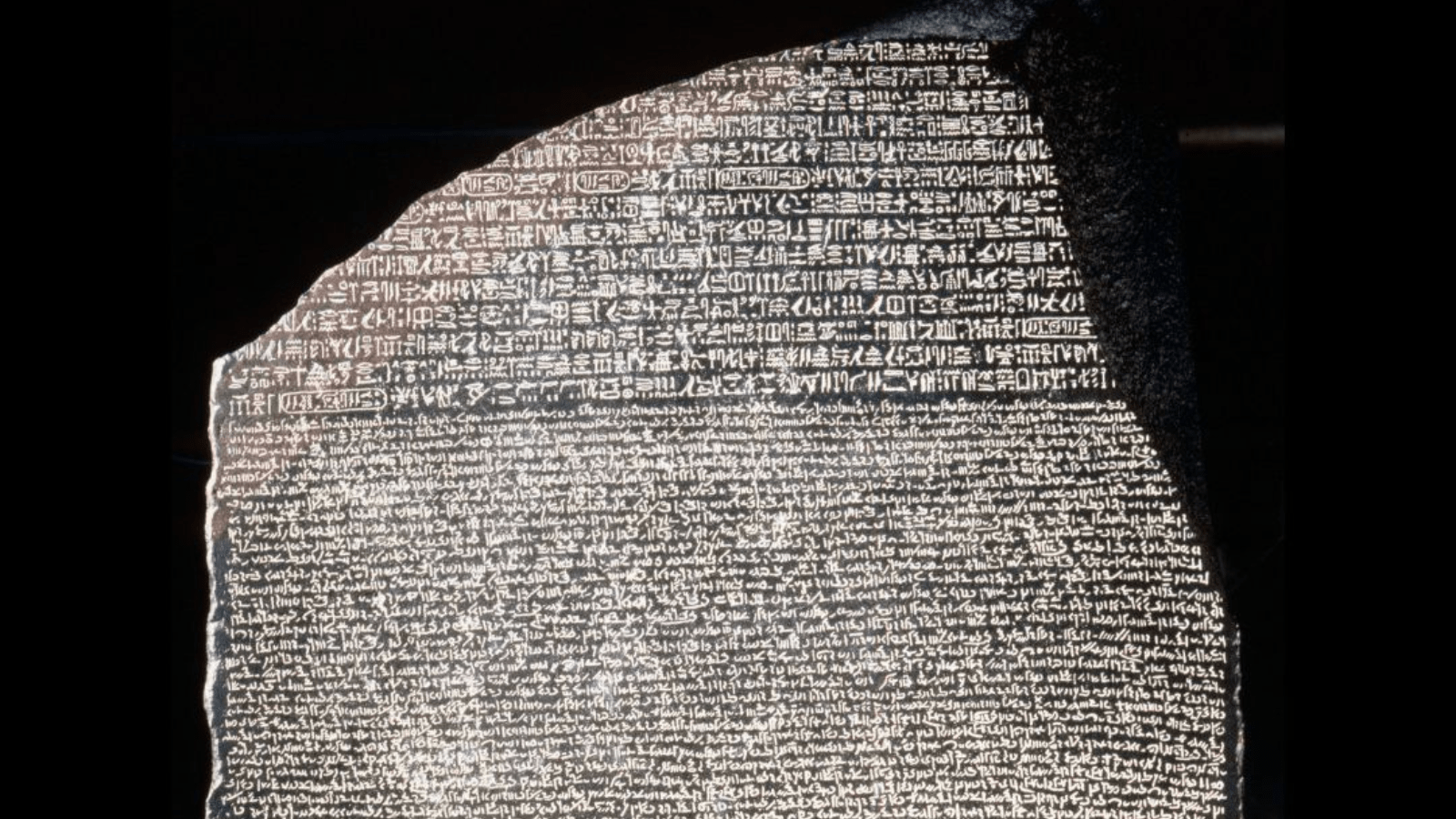
This is why stone monuments were often covered with hieroglyphs, offering scenes, gods and ritual images. The material and the message worked together: the stone endured, and the inscription gave it spiritual purpose.
Spiritual Meaning
Stone was not neutral. It helped transform a monument into a sacred object, a tomb into a protected eternal house and a statue into a vessel of royal or divine presence.
Stones and the Afterlife
Egyptian burial practices used stone to protect the dead and preserve their journey beyond life. Sarcophagi were carved with texts and images to defend the body and provide spiritual support. Tomb walls were built and decorated to create an eternal environment for the deceased.
Stone also expressed status. Royal tombs and elite burials used more durable and prestigious materials, while simpler burials relied on humbler objects. In every case, stone helped translate memory into material form.
Sarcophagi
Stone coffins protected royal and elite bodies and carried inscriptions linked to afterlife beliefs.
Protective Texts
Carved prayers, offering formulas and divine images supported the deceased spiritually.
Eternal Houses
Tombs were designed as permanent spaces where the dead could continue in the afterlife.
Reading Egypt Through Stone
Once you understand materials, Egypt’s monuments become easier to read: limestone speaks of pyramid scale, granite of royal permanence, sandstone of temple devotion, and alabaster of refined ritual life.
Where Travelers Can Experience Ancient Egyptian Stonework
The best way to understand Egyptian stones is to see them in context. A private guide can explain why a monument was built from one material rather than another, how the stone was quarried, and what it meant in sacred and royal life.
Giza and Saqqara
Explore limestone pyramid architecture, the Sphinx, mastabas and the evolution from early royal tombs to monumental stone complexes.
Explore Cairo Day Tours →Luxor and Karnak
Walk through sandstone temples, granite statues, carved reliefs and sacred spaces built to honor gods and kings.
Explore Luxor Day Tours →Aswan and Abu Simbel
Connect granite quarries, southern stone landscapes and the monumental vision of Ramses II.
Explore Aswan Day Tours →VIP Access and Private Cultural Routes
Upgrade key stone monuments with private access options and a deeper focus on engineering, symbolism and sacred architecture.
Explore VIP Access Tours →Why Stone Adds Depth to a Private Egypt Journey
Understanding stone changes how you experience Egypt. A pyramid is no longer only a landmark; it becomes a story of quarrying, engineering, ritual and royal ideology. A temple wall is no longer only a relief; it becomes a permanent sacred text. A statue is no longer only sculpture; it becomes a presence meant to endure.
With Vagus Travel Co., these details can be woven into a private itinerary: Giza for limestone and royal scale, Luxor for sandstone temples, Aswan for granite, museums for alabaster and basalt, and VIP experiences for travelers who want more than a standard visit.
Vagus Travel Perspective
Luxury travel in Egypt is not only about comfort. It is about interpretation. The stones of Egypt are not silent when the right guide helps you read them.
Useful Vagus Links for Planning a Stone and Monument Journey
These internal links were selected from verified Vagus pages to support a smooth visitor path and avoid broken URLs.