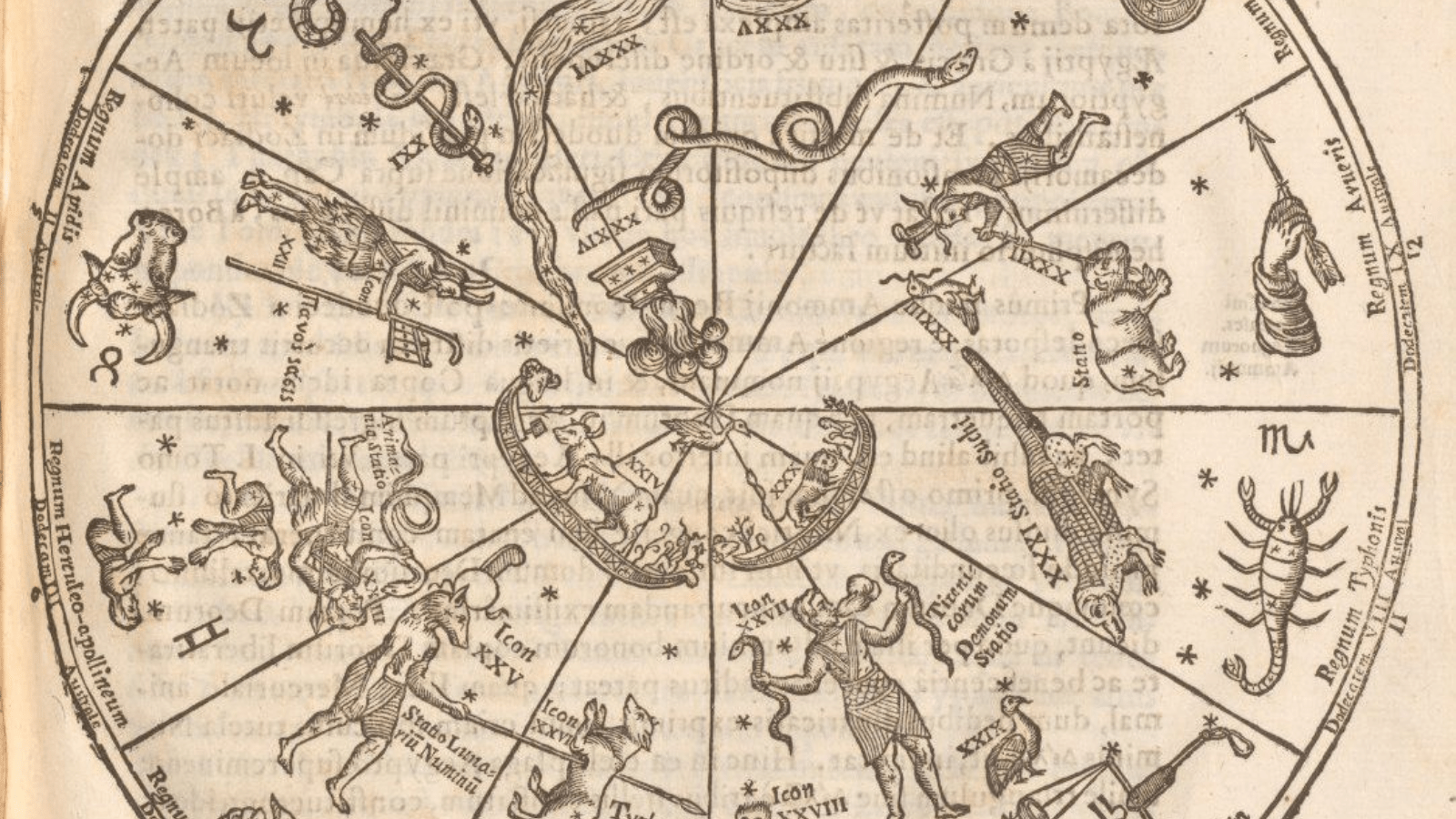
The Ancient Egyptian Zodiac was not only about personality. It belonged to a larger world of sacred time, temple astronomy, divine symbolism and the belief that the heavens could reveal meaning on earth.
Unlocking the Stars: Why the Egyptian Zodiac Still Fascinates Travelers
Many people associate astrology with Greek, Roman or modern Western traditions. Yet ancient Egypt had its own powerful relationship with the sky. Priests observed stars, calendars were shaped around celestial cycles, and temple ceilings became maps of divine order.
The Egyptian zodiac is often presented as a system of 12 deity-based signs. Instead of Leo, Scorpio or Taurus, a person may be connected with names such as Amon-Ra, Isis, Horus, Anubis or Bastet. Each divine name carries symbolic qualities linked to mythology, character and spiritual alignment.
The text you shared introduces the Egyptian zodiac as a fascinating system based on 12 gods and goddesses, highlights the Dendera zodiac, and explains that ancient Egyptians used the stars for farming seasons, ritual timing and royal decisions. This rebuilt Vagus version expands the topic into a refined cultural travel guide with visual cards, better structure, internal links and a premium private-tour angle.
Quick Answer
The Ancient Egyptian Zodiac is commonly described as a 12-sign system connected with Egyptian deities. It reflects a wider Egyptian interest in stars, calendars, sacred time, mythology and the divine relationship between heaven and earth.
What Is the Ancient Egyptian Zodiac?
The Ancient Egyptian Zodiac is a symbolic astrology system often explained through 12 gods and goddesses. Each sign represents a period of the year and carries qualities associated with the deity behind it.
While it is not identical to the modern Western zodiac, it shares a similar human purpose: connecting birth, character and destiny with the rhythms of the cosmos. In the Egyptian worldview, the sky was not empty space. It was sacred, ordered and filled with divine meaning.
Sacred Time
Stars helped organize calendars, agricultural cycles, festivals and ritual moments.
Cosmic Meaning
The heavens were seen as a divine realm connected with gods, order and royal destiny.
Temple Knowledge
Priests used celestial observation to support ritual timing and sacred architecture.
The Sky as a Sacred Ceiling
In Egyptian temples, the ceiling could become a cosmic map. Stars, boats, goddesses and zodiac imagery turned architecture into a vision of the ordered universe.
The 12 Ancient Egyptian Zodiac Signs and Their Meanings
Below is a refined overview of the 12 signs most commonly associated with the Egyptian zodiac tradition. Each one is linked to a deity and a symbolic set of traits.
Amon-Ra
Natural leaders, motivators and vision-setters. Amon-Ra reflects solar power, authority and creative force.
Mut
Calm, nurturing and wise. Mut symbolizes protection, motherhood, patience and emotional strength.
Geb
Grounded, sensitive and connected to nature. Geb represents the earth, fertility and stability.
Osiris
Strong, passionate and resilient. Osiris is linked with rebirth, renewal and the promise of life after death.
Isis
Compassionate, loving and intuitive. Isis represents healing, devotion, magic and protective wisdom.
Thoth
Intelligent, curious and expressive. Thoth is the deity of writing, knowledge, calculation and sacred language.
Horus
Brave, determined and fair. Horus represents kingship, protection, vision and rightful authority.
Anubis
Mysterious, introspective and spiritual. Anubis is connected with guidance, tombs and the transition into the afterlife.
Seth
Bold, energetic and drawn to change. Seth symbolizes storms, challenge, disruption and raw power.
Bastet
Creative, charming and protective. Bastet is linked with joy, domestic protection, grace and feminine power.
Sekhmet
Powerful, intense and independent. Sekhmet represents fierce protection, healing and solar force.
Hapi
Peaceful, generous and community-focused. Hapi symbolizes the Nile flood, abundance and shared prosperity.
Important Note
Egyptian zodiac traditions are often presented in modern interpretive forms. For travel and cultural storytelling, the most valuable part is how they reveal Egypt’s deep relationship with gods, stars, time and sacred meaning.
Where Did the Egyptian Zodiac Come From?
The most famous zodiac image connected with ancient Egypt is the circular zodiac from the Temple of Hathor at Dendera. This extraordinary ceiling scene is filled with celestial figures, constellations and mythological imagery, showing how Egyptian temple art could connect earth with sky.
Dendera is especially important because it links astronomy, temple ritual, goddess worship and cosmic symbolism in one sacred space. For travelers interested in Egyptian zodiac signs, Dendera is one of the most meaningful places to explore.
| Theme | How Dendera connects | Why it matters for travelers |
|---|---|---|
| Zodiac imagery | The circular zodiac ceiling became one of Egypt’s most famous celestial artworks. | It gives the zodiac theme a real architectural and visual context. |
| Temple astronomy | Priests connected sacred calendars, stars and ritual timing. | Travelers can understand temples as cosmic spaces, not only monuments. |
| Hathor worship | Dendera was dedicated to Hathor, goddess of joy, music, beauty and the sky. | The zodiac becomes part of a broader sacred atmosphere. |
| Myth and science | Egyptian sky knowledge blended observation with mythology. | This makes Dendera powerful for cultural and spiritual travelers. |
Where Astronomy Becomes Architecture
At Dendera, the stars are not distant. They are carved into sacred space, turning the temple into a bridge between myth, ritual and celestial order.
More Than a Horoscope: Egyptian Astrology as Sacred Alignment
The Egyptian zodiac was not simply a personality game. In ancient Egyptian thought, the stars belonged to a wider sacred order. Celestial cycles shaped calendars, agricultural timing, temple festivals and ideas about royal legitimacy.
Priests and rulers looked to the heavens because cosmic order mattered. If the sky moved in patterns, then human life, kingship and ritual could be aligned with those patterns. This is what makes Egyptian astrology different from a modern horoscope: it was part of a total worldview.
Farming Seasons
Celestial observation helped organize the calendar and agricultural rhythms connected with the Nile.
Temple Ritual
Stars and calendars helped shape festivals, ceremonies and sacred timing.
Royal Destiny
Kingship was connected with cosmic order, divine protection and celestial symbolism.
Priestly Knowledge
Priests preserved astronomical, calendar and ritual knowledge through temple traditions.
Spiritual Meaning
The zodiac linked human identity with divine names, myth and celestial order.
Travel Depth
Understanding the sky makes temple visits richer, especially at Dendera and Luxor.
Why the Egyptian Zodiac Still Matters Today
The Ancient Egyptian Zodiac continues to fascinate because it connects three things travelers love about Egypt: myth, mystery and meaning. It offers a poetic way to explore how Egyptians saw the relationship between the human soul, divine power and the sky.
For modern travelers, the Egyptian zodiac is not only about finding a sign. It is an invitation to look at Egypt differently: to see temples as observatories of meaning, gods as symbolic forces, and travel as a journey through both place and imagination.
| Modern interest | Ancient Egyptian connection | Travel value |
|---|---|---|
| Astrology | Divine signs connected with gods and sacred time. | Creates a personal way to engage with Egyptian mythology. |
| Astronomy | Star observation, calendars and temple ceilings. | Helps travelers understand the science behind sacred space. |
| Mythology | Gods such as Isis, Horus, Anubis, Thoth and Bastet. | Turns museum and temple visits into a more connected story. |
| Luxury cultural travel | Private guiding can interpret symbols, ceilings and sacred art. | Deepens the experience beyond standard sightseeing. |
Where Can Travelers Explore Egyptian Zodiac and Star Symbolism?
The best way to experience Egyptian zodiac symbolism is through a private cultural route that connects temples, museums, mythology and expert interpretation.
Dendera Temple
The most important destination for travelers interested in the Egyptian zodiac, celestial ceilings and Hathor’s sacred world.
Explore Luxor Day Tours →Luxor and Karnak
Temple astronomy, sacred alignments, priestly ritual and divine kingship can all be explored in ancient Thebes.
Explore Luxor Experiences →Cairo and Museum Collections
Museum visits help travelers understand gods, star symbolism, papyrus texts and Egyptian religious imagination.
Explore Cairo Day Tours →Tailor-Made Symbolism Tours
Create a private itinerary focused on temples, mythology, zodiac symbolism, sacred calendars and celestial Egypt.
Plan a Tailor-Made Tour →Why This Topic Fits a Private Egypt Journey
The Egyptian zodiac is a perfect example of why private guiding matters. Without explanation, a ceiling scene may look beautiful but distant. With expert interpretation, it becomes a story of gods, stars, rituals and sacred time.
Vagus Travel Co. can build a private route around this kind of depth: Dendera for the zodiac, Luxor for temple ritual, Cairo for museum context, and optional VIP access for travelers who want a more elevated way to encounter Egypt’s sacred heritage.
Vagus Travel Perspective
Luxury travel in Egypt is not only comfort and service. It is the ability to see what others miss: the hidden meaning in ceilings, signs, symbols, temple walls and sacred stories.
Useful Vagus Links for Planning a Celestial Egypt Journey
These internal links were selected from verified Vagus pages to support a smooth visitor path and avoid broken URLs.